Stand-On Mowers: What To Know Before Buying | The Family Handyman
Every editorial product is independently selected, though we may be compensated or receive an affiliate commission if you purchase something through our links. Ratings and prices are accurate and items are in stock as of fourth dimension of publication.
In the market for a riding lawn mower, just don't want the low back pain that often comes from too much sitting? Then consider a stand-on mower!
When most people call back of backyard mowers, they moving-picture show machines of two types: walk behind and riding models. Walk-behind mowers tin exist push button powered or self-propelled, and are all-time for smaller lawns. Riding mowers are bigger, more powerful and better suited to larger yards.
Trouble is, not everyone with lots of grass to mow wants to sit on a noisy, vibrating machine for hours. Sitting may be comfortable, but studies show that doing information technology for likewise long may increase low back hurting. That's where stand up-on mowers can help.
What Is a Stand-On Mower?
Stand-on mowers come in sizes and ability levels similar to many riding machines, with one fundamental feature missing — the seat. Instead, at that place's a small human foot platform at the back of the automobile. Stand-on mowers let you mow your lawn without shortening your hip flexors by sitting.
Virtually stand-on mowers are naught-turn machines, which means they can turn on a dime with no extra space needed to round corners. With the easily attainable steering controls, stand-on machines have several advantages over their riding counterparts. Even so, they're non for anybody.
Most stand up-on mowers are twice the cost (or more than) of an equally large and powerful riding zero-turn car. This price differential volition likely even out in fourth dimension. But for at present, landscaping pros purchase and employ virtually stand-on mowers.
Benefits of a Stand up-On Mower
Hither are vii reasons to consider a stand-on mower:
- Less risk of depression dorsum pain and shortened hip flexors from extensive sitting.
- Vibration from the running engine doesn't radiate into the low dorsum nearly equally much while standing.
- Lack of seat and arm rests makes mounting and dismounting a stand-on mower quicker.
- Stand-on mowers are better on uneven terrain, because the operator can shift their body weight from side to side, as needed.
- Much greater power and speed than walk-behind mowers.
- Wider mower deck than almost all walk-behind mowers.
- The higher vantage point gives yous a ameliorate view of your surroundings as you mow.
Stand up-On Mower Considerations
Accept these factors into account equally yous ponder which type of mower is best for you:
Yard size
The size of your yard affects the blazon of mower yous purchase. Got a big yard without many tightly spaced obstacles? A stand-on model with a mower deck 54 inches or wider will brand quick work of even the largest yards.
Like the thought of a stand up-on mower, but don't take acres of grass to cut? Consider a machine with a 36-inch mower deck. For about medium to modest yards, a traditional riding or push button mower is often the best choice.
Maneuverability
If you've a got a big lawn and lots of trees or other obstacles to mow around, a zero-turn mower is probably your all-time bet. If you've got lots of tightly spaced obstacles, a stand-on model volition requite slightly better maneuverability than a riding zero-turn machine. The reason is length.
Riding mowers are longer because of the seat, making them less suited for mowing in tight quarters. Lightweight push and self-propelled walk-behind mowers can get into the tightest corners, but not without a little wrangling.
Sitting vs. continuing
Stand up-on mower articles say that the benefits of owning one of their machines are life changing. I don't concord. Although your low back volition virtually certainly exist better off with a stand-on model, the other advantages over a sitting model are minor.
Even the depression dorsum health point doesn't use to anybody. I've used a nothing-plough riding mower for years without any mowing-related depression back pain. Bottom line: There's no need to overthink things. If you lot prefer standing, and can afford it, you should purchase a stand-on mower. Otherwise, get ahead and buy a traditional riding automobile.
Best Stand-On Mowers
Interested in ownership a stand-on mower? Here are three highly rated options.
John Deere QuickTrak Stand-On Mower
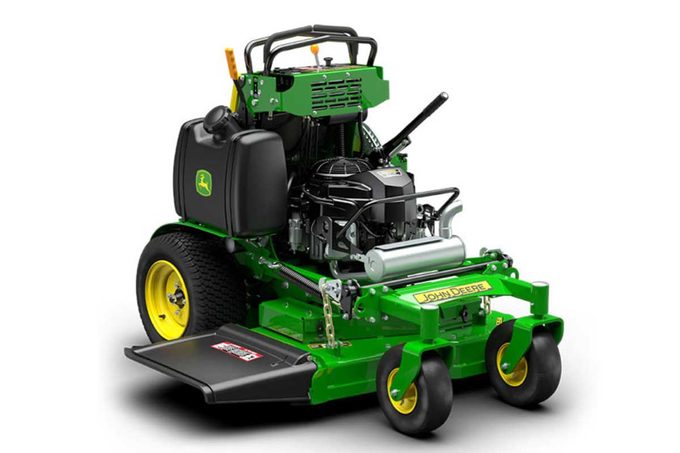
With a 36-inch-wide mower deck, this stand up-on machine from John Deere ($8,789) is perfect for folks with minor- to medium-size lawns who'd rather not sit down while cutting grass. Featuring an 18.5-horsepower engine, twenty.8-liter gas tank and a two-yr warranty, this is an platonic choice for those interested in a smaller stand-on mower.
Husqvarna Stand-On Mower

With an impressive 48-inch mower deck and a beefy 24.five-horsepower engine, this stand up-on mower from Husqvarna ($10,200) is perfect for medium to big lawns. Its Kawasaki 5-twin engine is powerful, efficient, quiet and backed by a five-twelvemonth warranty. Dissimilar many stand-on mowers, the operator platform sits betwixt the rear wheels rather than behind them. That places the operator's weight in the best spot to increase traction.
Cub Cadet Stand-On Mower
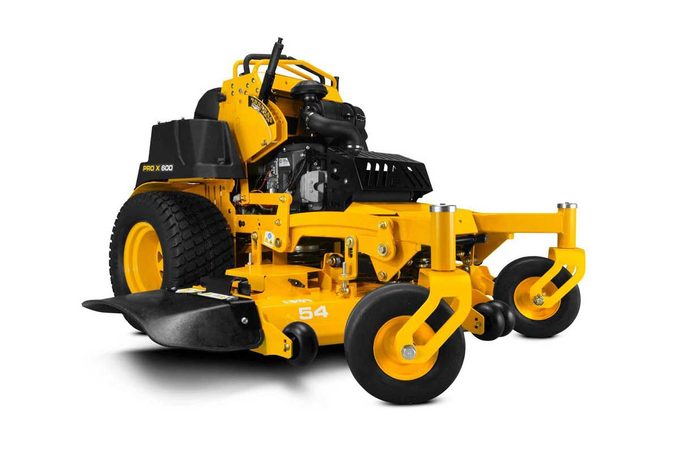
This stand-on mower from Cub Buck ($9,499) features a 54-inch mower deck and a whopping 25.5-horsepower engine. The actress-large 24-inch rear tires make hopping curbs and other obstacles piece of cake, and the 10-gauge steel deck is thicker and beefier than most.
Source: https://www.familyhandyman.com/article/stand-on-mowers/

Post a Comment for "Stand-On Mowers: What To Know Before Buying | The Family Handyman"